Uncovering Performance Indicators Through Advanced Predictive Analytics in Digital Marketing Tools
Uncovering Performance Indicators Through Advanced Predictive Analytics in Digital Marketing Tools
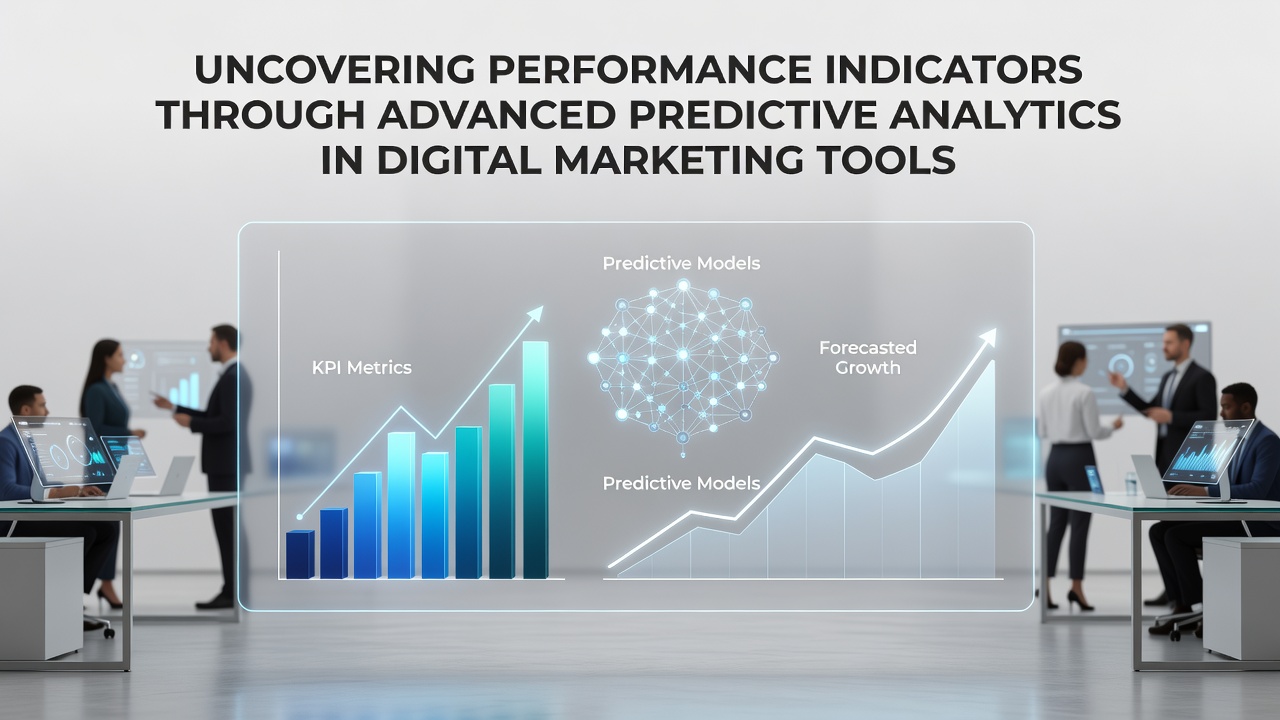
Digital marketing teams now rely on predictive analytics tools to identify performance indicators that traditional reporting often overlooks, and these systems process historical campaign data alongside real-time user behavior signals to forecast outcomes across channels such as email, social media, and search advertising. Researchers at various institutions have documented how machine learning models examine variables including click-through rates, conversion paths, and engagement duration to surface metrics that correlate with revenue growth or customer retention rates.
Core Components of Predictive Models in Marketing Platforms
Advanced tools integrate regression analysis, clustering techniques, and time-series forecasting to break down large datasets from multiple sources, while platforms pull information from customer relationship management systems, web analytics services, and advertising networks to create unified views that highlight emerging trends before they become obvious in standard dashboards. Data shows that organizations applying these methods detect shifts in audience segments earlier than those using only descriptive statistics, according to reports compiled by international research bodies.
One study from academic teams in North America examined how predictive scoring assigns values to potential leads based on past interactions and demographic factors, and the resulting indicators allow teams to prioritize outreach efforts with greater precision. Tools also incorporate anomaly detection algorithms that flag unusual patterns in bounce rates or session durations, which helps marketers adjust campaigns while events unfold rather than after quarterly reviews conclude.
Data Sources and Integration Practices
Teams gather inputs from first-party cookies, server logs, and third-party data providers, then feed these into models that normalize information across formats and time zones before running simulations. Observers note that successful implementations often combine on-premise processing with cloud-based scalability to handle peak volumes during product launches or seasonal promotions. Statistics Canada figures on digital adoption rates illustrate how regional variations influence the accuracy of cross-border predictions when models account for local regulations and connectivity levels.
Integration challenges arise when datasets contain missing values or inconsistent tagging, yet engineers address these issues through imputation methods and automated validation rules that maintain model reliability over extended periods. Experts have observed that platforms updated in September 2026 began incorporating natural language processing to analyze sentiment from social mentions alongside quantitative metrics, producing hybrid indicators that blend emotional tone scores with purchase probability estimates.

Key Performance Indicators Revealed by Analytics
Predictive systems surface indicators such as customer lifetime value projections, churn probability scores, and optimal bid adjustments for programmatic advertising, while these metrics emerge from training datasets that span multiple years and include both successful and underperforming campaigns. Figures from Australian Bureau of Statistics publications on business technology use reveal patterns in how mid-sized firms apply forecasting to allocate budgets more effectively across paid and organic channels.
Campaign managers review lift estimates generated by uplift modeling, which isolates the incremental impact of specific tactics rather than attributing all conversions to the last touchpoint, and this approach clarifies which creative elements or audience segments drive genuine performance gains. Tools also generate scenario simulations that test how changes in email send times or landing page layouts might alter conversion rates under different economic conditions.
Implementation Steps Across Organizations
Organizations begin by auditing existing data collection practices to ensure completeness and consistency, then select modeling frameworks that align with their technical infrastructure and compliance requirements. Training sessions for analysts focus on interpreting model outputs and translating forecasts into actionable campaign adjustments, while ongoing monitoring tracks prediction accuracy against actual results to refine algorithms iteratively.
Case examples from European enterprises demonstrate how cross-functional teams combine marketing data with supply chain information to predict inventory needs tied to promotional spikes, and similar methods appear in reports from Asian markets where mobile-first strategies dominate. Validation protocols compare model predictions against holdout datasets to measure error rates and adjust weighting factors accordingly.
Conclusion
Predictive analytics continues to expand the range of performance indicators available to digital marketing professionals through systematic analysis of complex datasets and forward-looking simulations. Teams that adopt these tools gain access to metrics that support proactive decision-making across diverse channels and market conditions. Continued development in algorithm design and data integration promises further refinement of these capabilities as adoption grows among businesses of varying sizes.