Unlocking Audience Behavior Patterns Through Predictive Data Modeling in Niche Industry Sectors
Unlocking Audience Behavior Patterns Through Predictive Data Modeling in Niche Industry Sectors
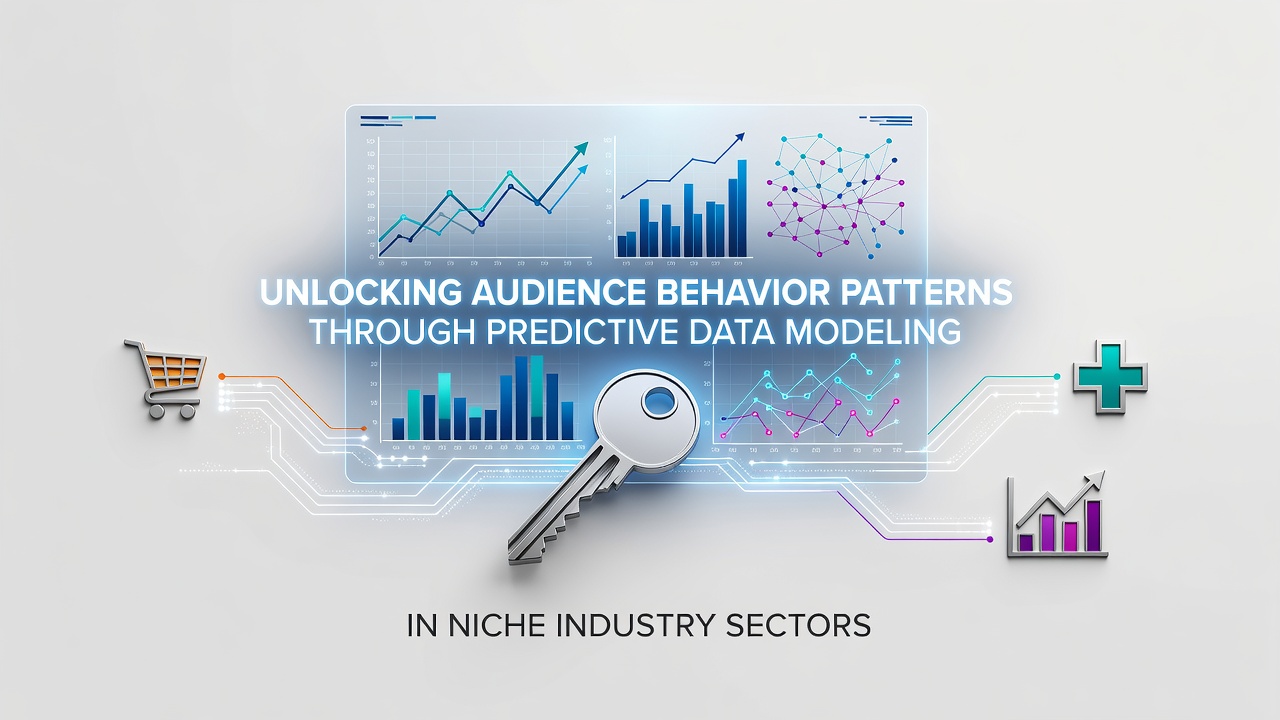
Experts in data analytics apply predictive data modeling to examine audience behavior patterns across niche industry sectors, and these methods combine historical datasets with machine learning algorithms to forecast future actions while organizations in specialized fields such as precision manufacturing and boutique health services gain clearer insights into customer preferences through integrated statistical frameworks that process variables like purchase frequency and engagement timing.
Core Components of Predictive Modeling Frameworks
Researchers at academic institutions build these frameworks around regression analysis, clustering techniques, adn neural networks that identify correlations in user data, yet the process starts with clean data collection from multiple touchpoints including website interactions and subscription records, and analysts then train models on subsets of information to test accuracy before deploying them for real-time predictions that adjust to seasonal shifts in demand.
Studies from institutions like the University of Toronto have shown how such models process demographic details alongside behavioral signals, and the resulting outputs help sectors like artisanal food production anticipate inventory needs based on emerging trends in consumer loyalty metrics.
Implementation Across Specialized Markets
Professionals in niche markets deploy these tools to segment audiences more precisely than standard analytics permit, so companies dealing in custom automotive parts or educational technology platforms track micro-interactions that reveal hidden preferences, while data pipelines feed continuous updates into the models and allow teams to refine targeting without manual intervention in most cases.
Evidence from industry reports indicates that integration with existing CRM systems accelerates the identification of high-value user groups, and this approach reduces waste in marketing spend by focusing resources on segments that demonstrate consistent response patterns over extended periods.
Techniques Driving Pattern Recognition
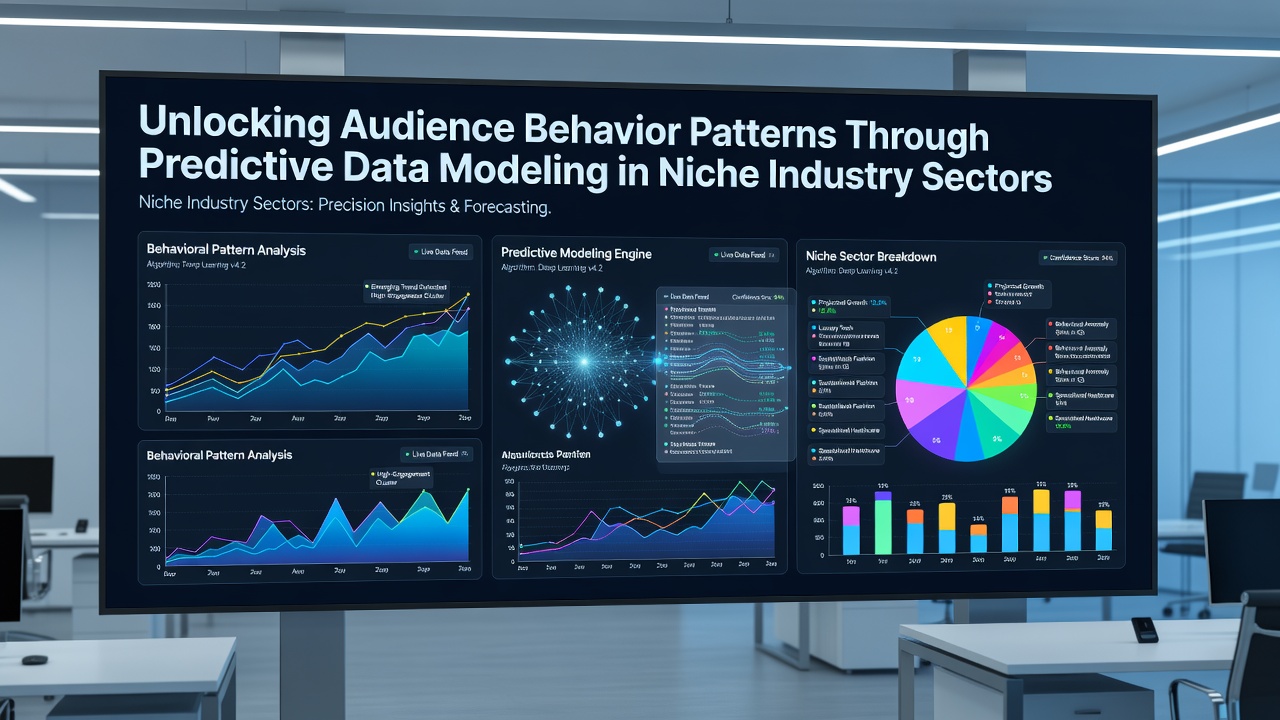
Data scientists rely on time-series forecasting and ensemble methods to capture subtle behavior changes, and these techniques handle irregular data flows common in specialized sectors where audience sizes remain smaller than mass markets, so validation steps compare model outputs against actual outcomes to maintain reliability across quarterly cycles.
Analysts incorporate external variables such as economic indicators from sources like the Australian Bureau of Statistics, and this enrichment improves forecast precision when models account for regional influences on purchasing cycles in areas like sustainable textiles or professional training services.
Observed Outcomes in November 2026 Reporting Periods
During November 2026, several organizations published updates on model performance that highlighted improved detection of audience migration between niche platforms, and these findings drew from aggregated datasets covering multiple continents while showing how predictive adjustments led to measurable lifts in retention rates for targeted campaigns.
Observers note that cross-sector comparisons during that period revealed consistent gains when models incorporated feedback loops from live user data, and this practice continues to shape operational decisions in fields ranging from specialized financial advisory to eco-friendly packaging solutions.
Challenges in Data Integration and Accuracy
Teams encounter hurdles when merging datasets from disparate sources, yet standardized protocols developed by groups such as the European Data Protection Board help address privacy constraints while preserving analytical value, and ongoing refinements focus on reducing bias in training samples drawn from limited niche populations.
Case examples from research published through the National Institute of Standards and Technology demonstrate how iterative testing mitigates errors in behavior forecasts, and professionals apply these lessons to maintain model robustness amid evolving regulatory landscapes.
Conclusion
Predictive data modeling continues to unlock detailed views of audience behavior in niche sectors through structured application of established analytical methods, and organizations that maintain rigorous validation processes alongside diverse data inputs position themselves to respond effectively to shifting patterns without relying on generalized assumptions from broader markets.